

Scientific analyses of materials and equipment seized from an ISIS supporter arrested in Tangier on October 9 have revealed explosive substances, triggering devices, and evidence of experimental detonations.
Investigations into a foiled terrorist plot in Tangier have uncovered new and particularly alarming evidence. According to a joint statement issued on Friday, October 16, 2026, by Morocco’s General Directorate of National Security (DGSN) and General Directorate of Territorial Surveillance (DGST), physicochemical and digital forensic examinations of items seized from a 22-year-old extremist confirm that he had reached an advanced stage in preparing explosives intended for terrorist attacks.
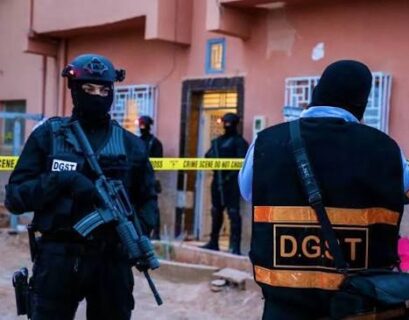
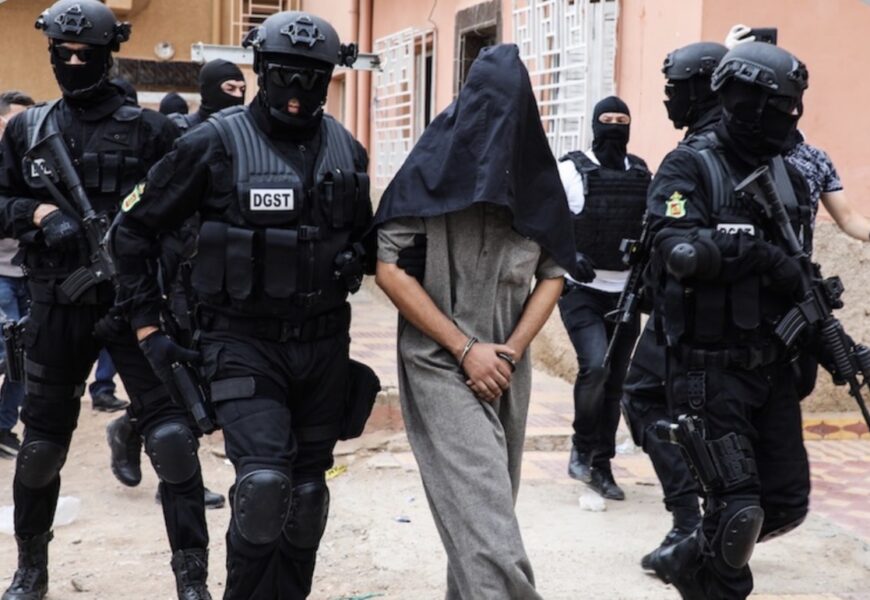
Arrested on October 9 by officers of the Central Bureau of Judicial Investigations (BCIJ), in coordination with the Tangier judicial police, the suspect, who adhered to the ideology of the terrorist organization ISIS, was suspected of preparing attacks likely to seriously undermine public order.
Analyses conducted by the National Forensic Science Laboratory in Casablanca revealed the presence of several substances used in the manufacture of explosives. These included acetone peroxide (TATP), a particularly unstable and sensitive explosive, as well as chemicals that could be used to produce urea nitrate.
Experts also identified chemical powders capable of increasing the destructive power of explosions, along with a powerful oxidizing agent that could be used in the preparation of explosive charges.
The examinations covered all chemical samples and electronic equipment seized. They established that several chemical solutions and electrical components were intended for different stages of explosive preparation.
A Mobile Phone Converted into a Detonation Device
Another major discovery emerged from the digital forensic examinations, which revealed that a specially modified mobile phone could serve as an activation system for an explosive device.
The phone had undergone technical alterations, including the addition of electronic circuits and electrical connections, as well as modifications to its operating system.
Investigators also discovered electrical measuring instruments, battery chargers, switches, and various components used to assemble triggering circuits for explosive devices, including remotely activated ones.
Nails and screw heads, potentially intended to serve as shrapnel during an explosion to maximize casualties, were also among the seized items.
The forensic findings are particularly revealing of how far the terrorist plot had progressed. According to the statement, the nature of the seized substances, their assembly, and the technical traces identified demonstrate that the suspect had already conducted experimental detonations.
These findings indicate that the case involved more than criminal intent, pointing instead to advanced material preparations for carrying out terrorist attacks.
At the time of his arrest, the suspect was also found in possession of handwritten documents describing cyber-hacking techniques, welding equipment, batteries, electrical cables, adhesive tape, protective goggles, switches, and various solid and liquid chemicals.
The examinations were carried out by the forensic chemistry service, the physical analysis unit, and the digital forensics unit of the National Forensic Science Laboratory.
According to the statement, these investigations demonstrate the decisive role of advanced scientific technologies in establishing facts and gathering material evidence in criminal cases.
The findings further strengthen the judicial investigation being conducted by the BCIJ under the supervision of the competent public prosecutor’s office, with the aim of establishing all the circumstances and any potential connections surrounding the terrorist plot foiled in Tangier.