

In his “Sunday Confidences” column, Abou Waïl Al-Rifi this time examines the systematic hypocrisy and blatant suppression of information practised by the French press and certain international human rights outfits whenever spyware and the Pegasus affair are discussed. According to the analyst, the facts expose these media outlets’ blatant double standards: they repeat ready-made accusations against Morocco while deliberately turning a blind eye to Paris’s scandals in this sensitive technological field.
The article stresses that organisations and media outlets such as Amnesty and Forbidden Stories have continued, for more than five years, to recycle stale accusations against Morocco’s security establishment, attributing their allegations to anonymous sources or individuals hiding behind pseudonyms, without presenting any convincing material evidence or proof validated by independent technical experts.
Morocco, the author continues, consistently maintains that it possesses none of the software in question, has never sought to acquire it, and that no evidence of its use has been presented. According to the analyst, this position is supported by statements from specialist companies such as Memento Labs, which denied having any ongoing contracts with Moroccan entities. Meanwhile, these media outlets have allegedly repeatedly avoided answering for their accusations in court and ignored official European reports that explicitly cleared the Kingdom.
By contrast, Abou Waïl Al-Rifi points to the complete and suspicious silence of French media outlets, particularly France 24 and Agence France-Presse, over their own country’s acknowledgement that it possesses and develops malicious software.
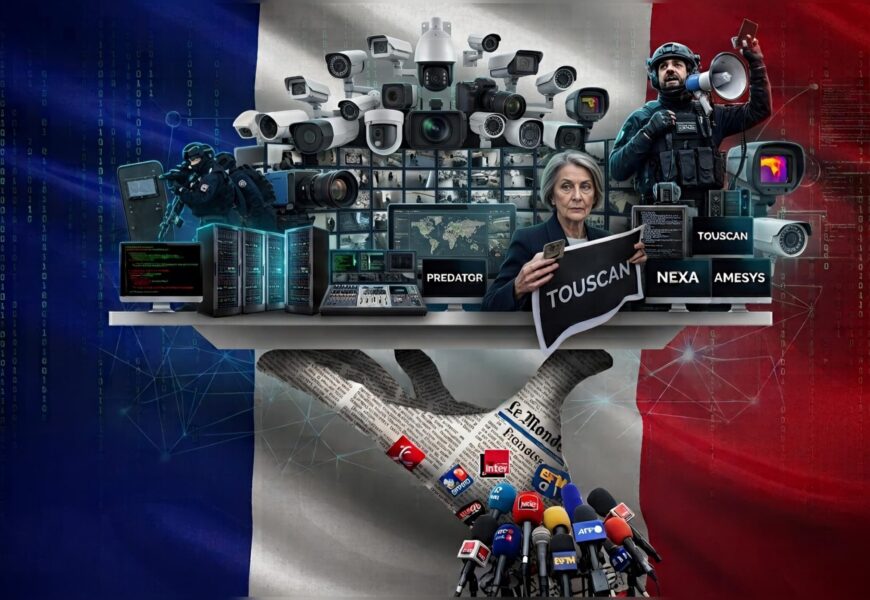
According to the article, France allegedly developed Predator spyware through an alliance with Intellexa, with direct funding from the French Finance Ministry when Bruno Le Maire headed it. The French press also allegedly turned a blind eye to documented investigations published by the media outlet Disclose and the magazine Der Spiegel. These reportedly revealed that France’s domestic intelligence service had obtained secret presidential authorisation under François Hollande, renewed under Emmanuel Macron, to develop, through Nexa Technologies, a formidable spyware program called “Tuscan”, described as more dangerous than Pegasus.
The author also discusses a secret attempt in 2021 by France’s Directorate-General for Internal Security to acquire Pegasus in a deal worth between €60 million and €80 million. According to the Sunday column, the operation was halted only on Macron’s orders, out of concern over the political and legal consequences and risks of revelations that politicians and journalists were being spied on.
Added to this is the involvement of well-known French companies, such as Amesys and Nexa, in exporting mass surveillance and computer intrusion systems to states in the Middle East and North Africa, alongside obstacles to judicial proceedings and the wall of media silence surrounding these cases.
Abou Waïl concludes that this deliberate suppression of information and selective targeting reflect the persistence of a colonial mindset—one that permits itself to acquire and develop espionage tools and violate individuals’ privacy, while using human rights advocacy to pressure Morocco and settle petty scores with it.
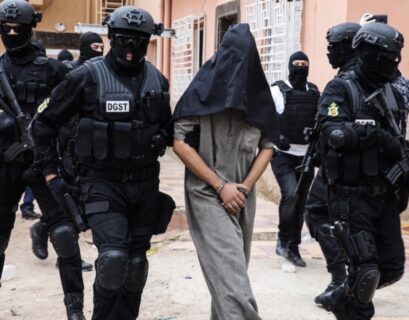
According to the author, this attitude ignores the fact that it was the human expertise of Morocco’s security services that thwarted terrorist plots and protected the stability of European countries, without resorting to such software.