

By declaring Senegal forfeited and validating the result in Morocco’s favor, the CAF Appeals Jury underscores that the primacy of sports law is essential to preserving the credibility of continental competitions.
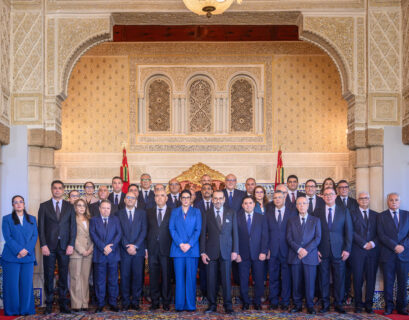
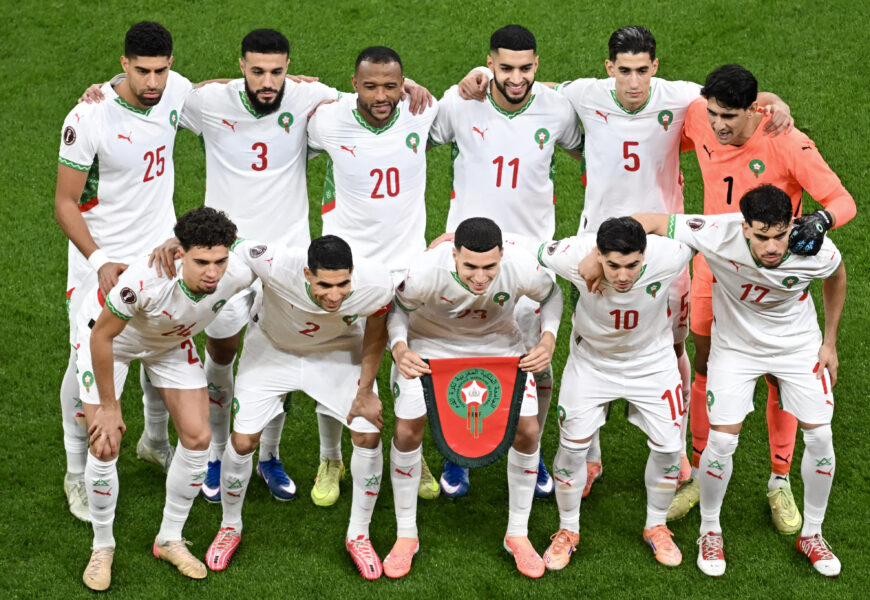
The outcome of the Morocco 2025 Africa Cup of Nations final will stand as one of the most unusual in the history of the competition. Seized by the Royal Moroccan Football Federation (FRMF), the Appeals Jury of the Confederation of African Football (CAF) ruled in favor of the Moroccan side by declaring the Senegal national team forfeited, in accordance with Article 84 of the regulations. The match result was thus officially recorded as a 3-0 scoreline, confirming a Moroccan victory on juridical and disciplinary grounds.
At the heart of the case, the interpretation of Articles 82 and 84 of the AFCON regulations proved decisive. The Appeals Jury determined that the conduct of the Senegalese team constituted a clear violation, justifying the annulment of the initial decision by the Disciplinary Jury. By upholding the protest filed by the FRMF, the appeals body reclassified the facts, leading to the most severe sanction предусмотрed by the regulations: forfeiture.
This ruling highlights the increasingly central role of regulatory mechanisms within African football. It reflects a structural evolution within CAF, where governance is no longer confined to the pitch but extends to a growing and decisive legal framework. The ability of federations to leverage these mechanisms is thus becoming a strategic factor in its own right.
At the same time, the Appeals Jury reviewed several peripheral incidents that occurred during the match. The case of Moroccan player Ismaël Saibari led to a partial revision of sanctions: while found guilty of misconduct, his suspension was reduced to two matches, one of which is suspended, and the initial fine was annulled. This decision reflects a measured approach in assessing individual responsibility.
The Royal Moroccan Football Federation was not entirely cleared of responsibility. It was held accountable for the conduct of the ball boys, with the fine reduced to 50,000 USD. However, sanctions related to interference around the VAR review area were upheld, as were those concerning the use of a laser pointer, although the latter was reduced.
Beyond the sanctions, the case reveals growing tensions between sporting demands, regulatory discipline, and reputational stakes for African federations. It also raises questions about the ability of governing bodies to safeguard the integrity of competitions while ensuring fairness in their decisions.
In this context, Morocco sees its campaign crowned in an unprecedented manner, where sporting performance is coupled with a victory in the legal arena. For Senegal, the outcome marks a delicate phase, shaped by the sporting and institutional consequences of an episode likely to set a precedent in African competitions.